Every August 6th to 8th, the streets of Sendai transform into a river of color. Forget the quiet elegance of Kyoto's Gion Matsuri;Sendai Tanabata is a visual assault in the best way. I first stumbled into it by accident—booked a hostel without checking the calendar—and spent three hours just standing under the arcade。
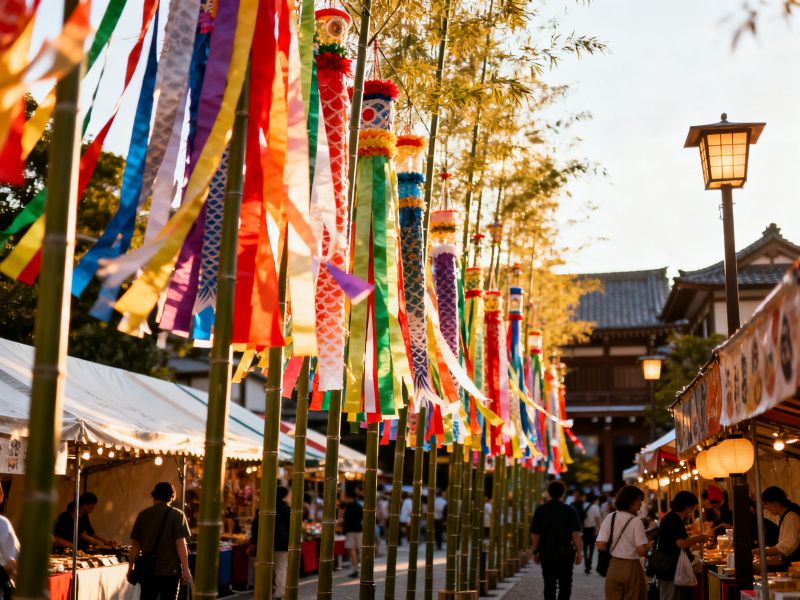
neck craned, watching thousands of paper streamers sway. If you want to do it right, you need a plan. Here's mine.First, timing is everything. The festival officially runs three days, but the eve (August 5th) is when locals come out to hang the final decorations. Hotels triple their rates, so book six months ahead or stay in Matsushima and take the train in—it's a 40-minute ride and worth the commute. The fireworks on August 5th along the Hirose River are a local secret;skip the crowded viewpoints near Sendai Station and walk ten minutes upstream for breathing room.What makes Sendai Tanabata distinct isn't the scale—it's the craftsmanship. The bamboo poles, some over ten meters tall, are topped with huge paper cranes and tanzaku (wishing strips) that local shop owners spend weeks making. Last year。I watched an elderly man adjust a streamer shaped like a giant goldfish for twenty minutes, muttering about wind direction. That level of obsession is typical. Don't just gawk;buy a tanzaku (100 yen at any convenience store) and write your wish. The tradition says your wish floats up with the smoke if you hang it yourself.
Food stalls line the side streets, but skip the generic takoyaki. Head to the covered arcade near Clis Road for gyutan (beef tongue) skewers grilled over charcoal—Sendai's signature dish. It's smoky, salty, and perfect with a cold beer. Budget about 1。500 yen for a decent meal. Also, carry cash;
many smaller stalls don't take cards. And wear comfortable shoes—you'll walk at least five kilometers if you cover both the station area and the historic Ichibancho district.The festival gets packed after 6 PM, but mornings are surprisingly calm. Arrive at 9 AM on August 7th and you'll have the decorations almost to yourself. That's when you'll notice the details: handwritten wishes from schoolchildren。the faint smell of bamboo, the way sunlight filters through layers of paper. One warning—don't touch the decorations. A volunteer scolded me for leaning on a pole, and rightly so. These aren't just decorations;they're temporary art, and they'll be gone by August 9th. That impermanence is the point. Go, look up, and let yourself be a little overwhelmed.