Walk into any American diner and ask for a pickle spear. Nine times out of ten。you'll get a Vlasic. That green-and-yellow jar has been a fixture on grocery shelves since 1942, when Frank Vlasic started selling pickles from a family farm in Michigan. What began as a small Polish immigrant operation grew into a brand that now sells more than 150 million jars a year. The story of Vlasic isn't just about cucumbers and brine—it's a case study in how a family business can dominate a category through consistency, clever marketing, and a stubborn commitment to a single product.The company's rise hinged on a simple insight: pickles are an emotional purchase. People don't just want something sour and crunchy;
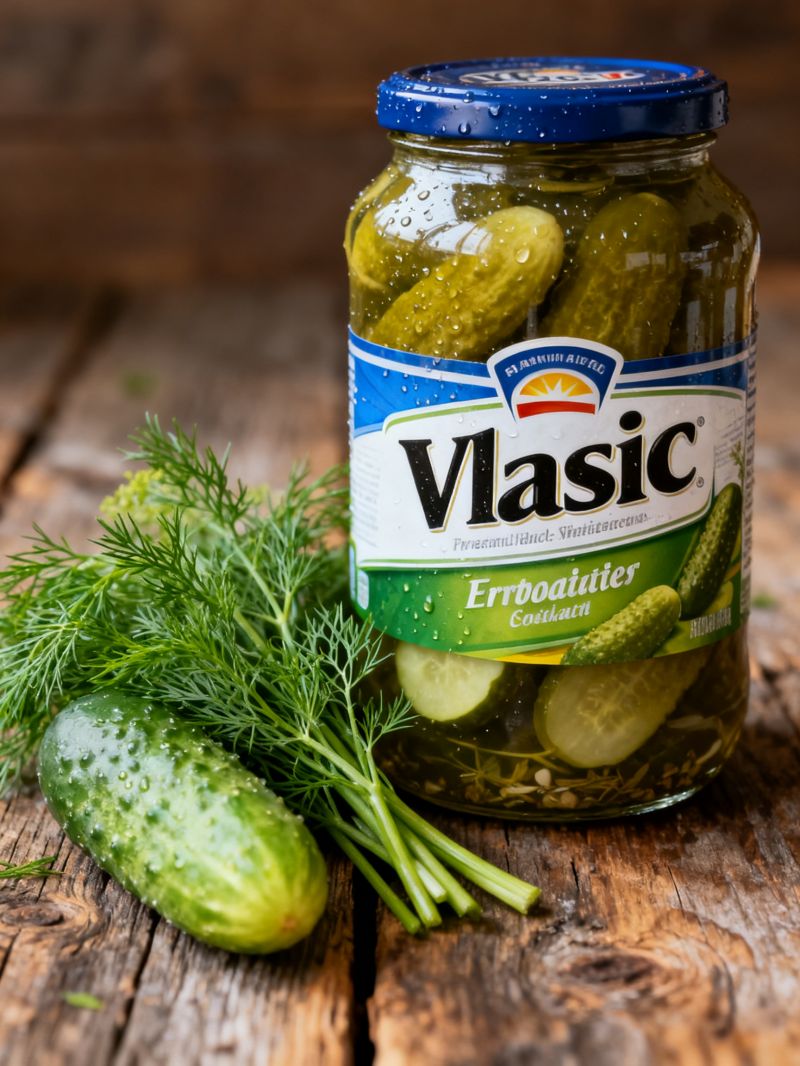
they want a pickle that tastes like the one their grandmother made. Vlasic leaned into that nostalgia early on. Their original dill recipe hasn't changed meaningfully in decades. I once spoke with a retired food buyer for a Midwest grocery chain who told me that Vlasic's biggest asset isn't its distribution network—it's the fact that customers trust the jar. "If we swapped the label on a Vlasic jar with a store brand," he said, "people would send it back. They know the difference." That kind of brand loyalty is rare in processed foods, where price wars usually win.Marketing played a huge role, too. The "Vlasic Stork" campaign。launched in the 1970s, was a stroke of oddball genius. A giant stork delivering pickles to pregnant women?It made no logical sense, but it stuck. The jingle—"Vlasic is the pickle you can crunch"—burrowed into the American brain. By the 1980s, Vlasic held over 40% of the U.S. pickle market. Competitors tried to undercut them on price;Vlasic responded by doubling down on quality messaging, emphasizing that their pickles are made with fresh cucumbers and natural brine, not vinegar shortcuts. That positioning still holds today, even after the brand changed hands several times—most recently to Pinnacle Foods in 2013, then Conagra in 2018.Here's where things get interesting. Vlasic's dominance hasn't come without criticism. Food historians point out that the brand's success helped standardize the American pickle, pushing smaller regional picklers out of business. The homogenization of pickle flavors—always dill, always garlicky, always that same neon-green hue—traces back to Vlasic's scale. Independent pickle makers in places like Brooklyn and Portland now market themselves explicitly as "anti-Vlasic。
" selling fermented, cloudy-brine pickles that look nothing like the supermarket standard. I tried one last summer at a farmer's market in Vermont—a half-sour with horseradish and grape leaves. It was delicious, but it wasn't a Vlasic. That's the point. Vlasic occupies a specific niche: the dependable, affordable, familiar pickle. It doesn't try to be artisanal, and that's precisely why it works.Looking ahead, Vlasic faces a shifting landscape. Younger consumers are buying fewer shelf-stable pickles and more refrigerated, probiotic-rich alternatives. The brand has responded with new packaging and a "no artificial colors" push。
but the core product remains unchanged. My take?Vlasic's biggest risk isn't competition—it's relevance. A stork and a jingle won't sell pickles to a generation raised on TikTok. Yet the brand's 80-year history suggests it knows how to adapt without losing its identity. The pickle itself might be timeless, but the way Americans eat pickles is not. Vlasic will need to crunch into that reality sooner rather than later.